AGP Executive Report
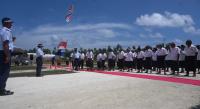
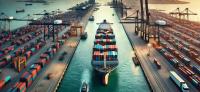
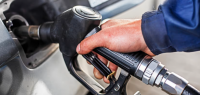
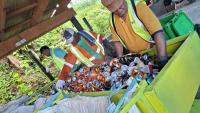
Last update: 4 hours agoIsland Biosecurity: Tuvalu’s rat eradication across Nukufetau is benefiting seabirds, green turtles and coconut agroforests that support local livelihoods. Recycling Exports: The country’s first PET-flake shipment, alongside aluminium, is worth A$76,721 and connects local collection to recycling markets in Australia. Energy Security: ADB has allocated US$11.94 million to help Tuvalu maintain affordable electricity and support low-income households facing higher fuel costs. Fisheries: Tuvalu is seeking a giant-clam hatchery specialist, while regional training aims to help the country meet export safety standards and retain access to overseas markets. Shipping: Tuvalu has taken the chair of the Central Pacific Shipping Commission and will host its next annual meeting, keeping reliable cargo services in focus. Development: ADB’s 2026–2030 Pacific strategy includes Tuvalu, with priorities spanning jobs, essential services and resilient infrastructure.
Note: AI summary from news headlines; neutral sources weighted more to help reduce bias in the result. Feedback is welcome. Please let us know if you have any comments or suggestions about the AGP Executive Report.

 Perspectify News